 Free and Next Day Delivery*
 Up to 10 Year Warranty
 Installation Available
 Instant Credit - Apply
Designing for Diversity

Designing for Diversity
A Guide to Supportive & Inclusive Office Environments
Inclusive design in the workplace is vital, particularly for neurodivergent staff – including those with autism. As we navigate the post-pandemic landscape, workspace requirements have shifted dramatically, underscoring the need for environments that cater to diverse needs. This guide aims to provide practical, actionable tips for creating autism-friendly workspaces.
Leveraging Wagstaff's extensive range of adaptable furniture and award-winning interior design expertise, we will explore how to craft workspaces that enhance comfort, productivity, and overall mental health for all employees
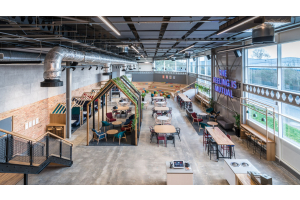
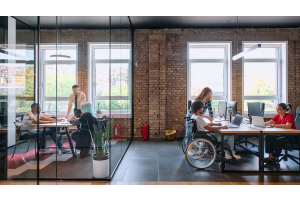
Main photo: Manchester Airport Group
Autism in the Workplace:
Understanding Neurodivergent Needs
Autistic and neurodiverse individuals often face unique challenges in the workplace, including heightened sensitivity to noise, lighting, and the need for structured environments. Common issues include difficulty concentrating in busy, open-plan offices, discomfort under harsh or flickering lighting, and anxiety caused by unpredictable or chaotic surroundings. These sensory sensitivities can significantly impact their productivity and well-being.


According to research, approximately one in seven people in the UK are neurodivergent, with many experiencing anxiety and sensory overload in typical office settings. A study by Kingston University found that one in four people scored highly on the Covid Anxiety Scale, reflecting increased anxiety levels post-pandemic. Additionally, the National Autistic Society reports that only 16% of autistic adults are in full-time employment, highlighting the urgent need for more inclusive workplaces.
How to Embrace Biophilic Design
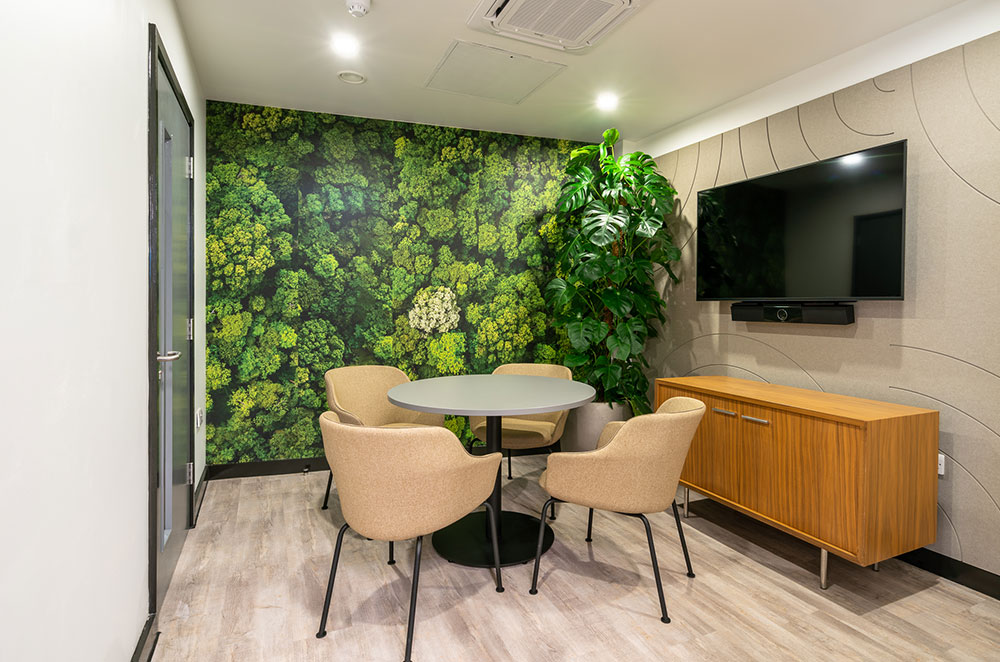
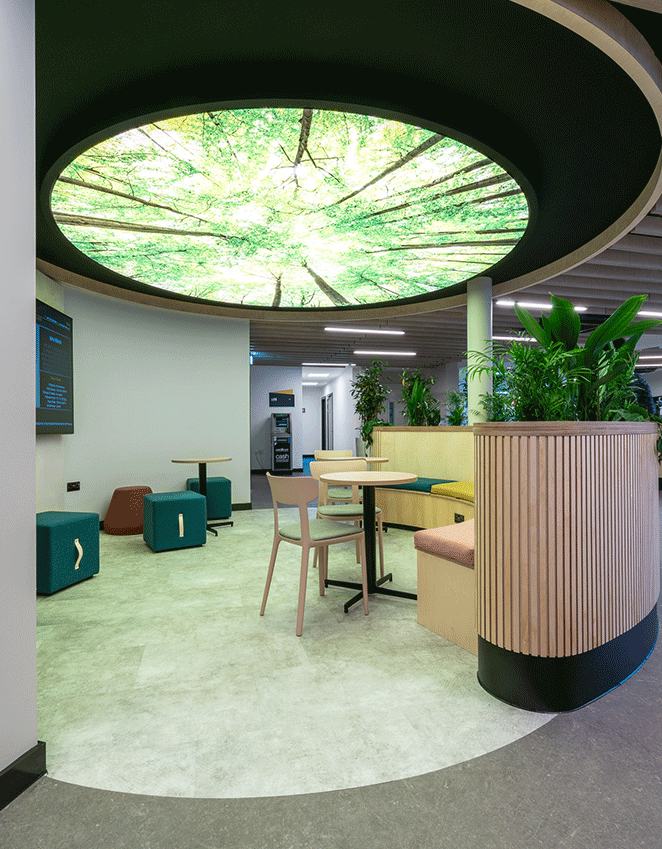
Biophilic interior design refers to the practice of incorporating natural elements, materials, and patterns into the built indoor environment in order to create a strong connection with nature. The core idea is to satisfy our innate human need to connect with the natural world, even in constructed spaces, as this connection is believed to promote physical and mental well-being – benefiting all employees.
To involve more biophilic elements into your workplace, you can do so easily without needing to adopt a whole new design style. A biophilic look and feel can be achieved by:
- Adding Plantlife: Plants are a simple yet effective way to introduce biophilic elements. They improve air quality and provide visual and tactile stimulation.
- Utilising Natural Light: Maximising natural light is crucial in biophilic design. It can be achieved by using large windows, skylights, and glass partitions.
10 Practical Tips for Supporting Autistic Employees

By implementing these tips, employers can create a more inclusive and supportive workplace for their neurodiverse employees, enabling them to thrive and contribute their unique talents and perspectives to the business.
1. Provide Sensory-Friendly Workspaces
Create quiet spaces or designated areas where employees can work without distractions, such as noise, bright lights, or strong smells. Use adjustable lighting and provide noise-cancelling headphones or soundproofing materials to manage sensory input.
2. Flexible Working Arrangements
Accommodate different work styles and preferences by offering flexible scheduling, remote or hybrid work options, and adjustable break times. Some neurodiverse individuals may prefer to start or end their workday earlier or later, or take more frequent breaks to manage their energy levels.
3. Clear Communication
Use clear, concise language and provide written instructions to support comprehension.
Avoid ambiguous or idiomatic expressions that may be misunderstood. Remember to encourage open communication and be patient when clarifying information.
4. Structured Environment
Implement a consistent routine and clear expectations to provide stability, with clear guidelines for tasks and projects. Use visual aids, such as checklists or flowcharts, to help neurodiverse employees stay on track and meet deadlines.
5. Personalised Support
Recognise that each neurodiverse individual has unique needs and strengths. Conduct regular one-on-one meetings with employees to understand their specific challenges and accommodations required, and develop personalised support plans – adjusting them as needed.
6. Training and Awareness
Educate all employees, including managers and team leaders, about neurodiversity and its various forms. Provide training on how to create an inclusive and supportive work environment, as well as strategies for effective communication and collaboration with neurodiverse colleagues.
7. Reasonable Adjustments
Be open to making reasonable adjustments to job duties, work processes, or physical spaces to accommodate the needs of neurodiverse employees. This could include modifying job descriptions, providing assistive technology such as ergonomic chairs, sit-stand desks, or special software, and allowing the use of fidget tools or other aids that help neurodiverse employees self-regulate.
8. Support Networks
Encourage the formation of employee resource groups or support networks for neurodiverse individuals. These groups can provide a safe space for sharing experiences, offering peer support, and advocating for their needs within the organisation.
9. Inclusive Policies
Review and update company policies to ensure they are inclusive and supportive of neurodiversity. This could include flexible leave policies, accommodations for sensory or communication needs, and guidelines for respectful behaviour and language.
10. Feedback and Collaboration
Actively seek feedback from neurodiverse employees on what is working well and what areas need improvement. Collaborate with them to identify solutions and continuously improve the workplace environment and support systems
The Five Key Principles of Neurodivergent
Friendly Interior Design
1. Privacy
Creating private, quiet areas where employees can retreat is crucial for reducing sensory overload. They provide a safe location for neurodivergent individuals, allowing them to decompress and regain focus.
Acoustically tested and designed with a soft seal door, the Residence Work Pod is an excellent option for private working – providing a quiet, low-stimulation workspace to neurodivergent employees who may be sensitive to noise.


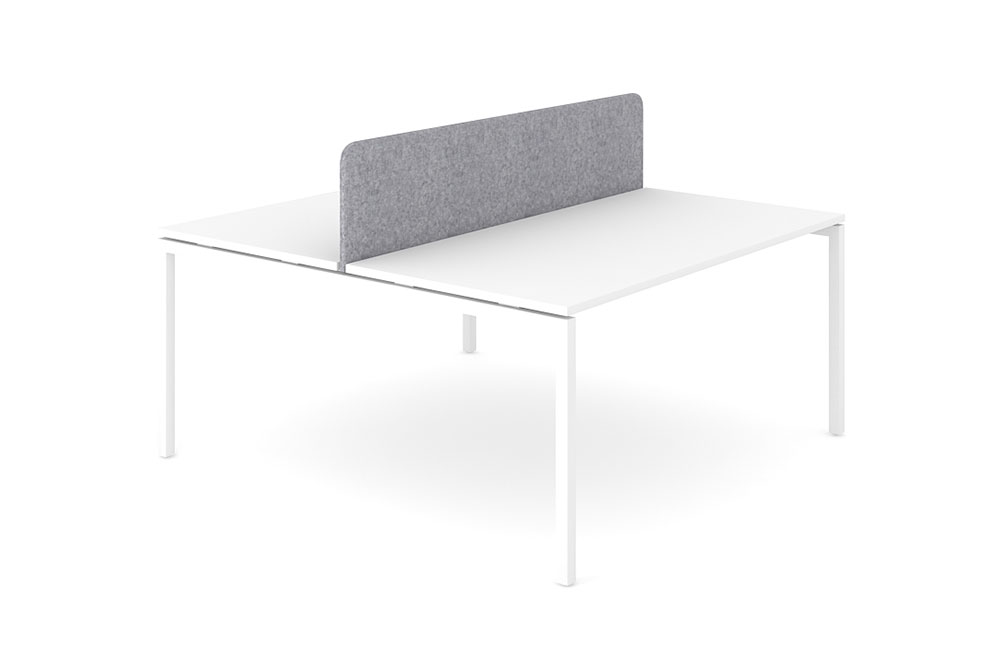
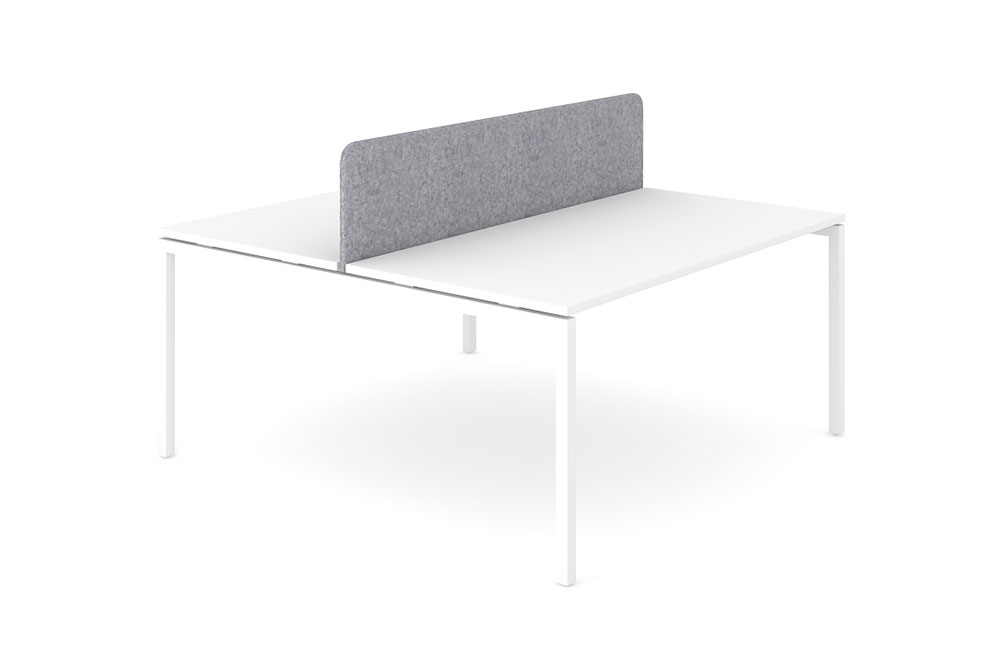
A Nova Bench Screen 22(d) paired with a desk from the Nova range can also offer visual and acoustic privacy, reducing distractions and enhancing concentration within open-plan offices.
2. Full Adaptability
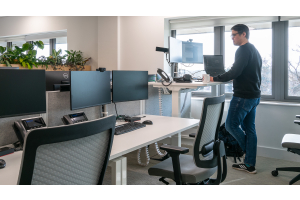
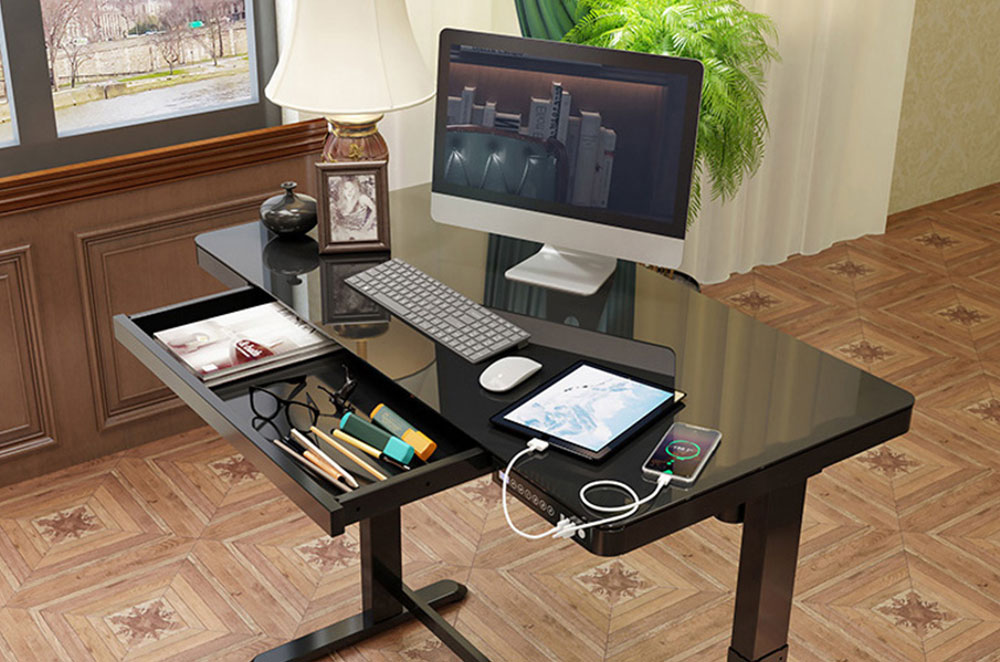
Flexibility in workspace design is vital for accommodating diverse needs. The B-Active Sit-Stand Desk 700 Deep promotes ergonomic well-being by allowing users to switch between sitting and standing positions, improving posture and reducing discomfort. Meanwhile, the Smart Height Adjustable Desk supports good posture and energy levels with its easy transition between sitting and standing, equipped with storage and USB ports for added convenience.
If adjustable desks are not an option for your workspace, the Freedom Sit Stand Desk Riser could be an ideal alternative for an equally flexible working setup, allowing employees to take control of the way they work without changing desks.

3. Sensory Comfort
Comfort is also essential for reducing negative sensory input. A Kneeling Stool is ideal for ergonomic support and comfort, suitable for users with different leg lengths, reducing pressure on the back, and allowing for movement and fidgeting.
If your office space makes use of standing desks, a specially designed Floor Mat can reduce pressure on the back and improve blood circulation. For seated desk arrangements, the Flex Task Operator Chair provides customisable comfort with adjustable arms, a cushioned seat, and a flexible backrest.
Overstimulation from lights and noise can be distressing for autistic individuals. Adjustable and natural lighting is crucial. Harsh, flickering lights can cause discomfort and distraction. Sound management is equally important. Solutions such as sound-absorbing materials can significantly reduce background noise – such as carpeting or rugs, and additional soft furnishings. In certain spaces, modern wallcoverings can also function as brilliant sound insulators.
4. Visual and Tactile Elements
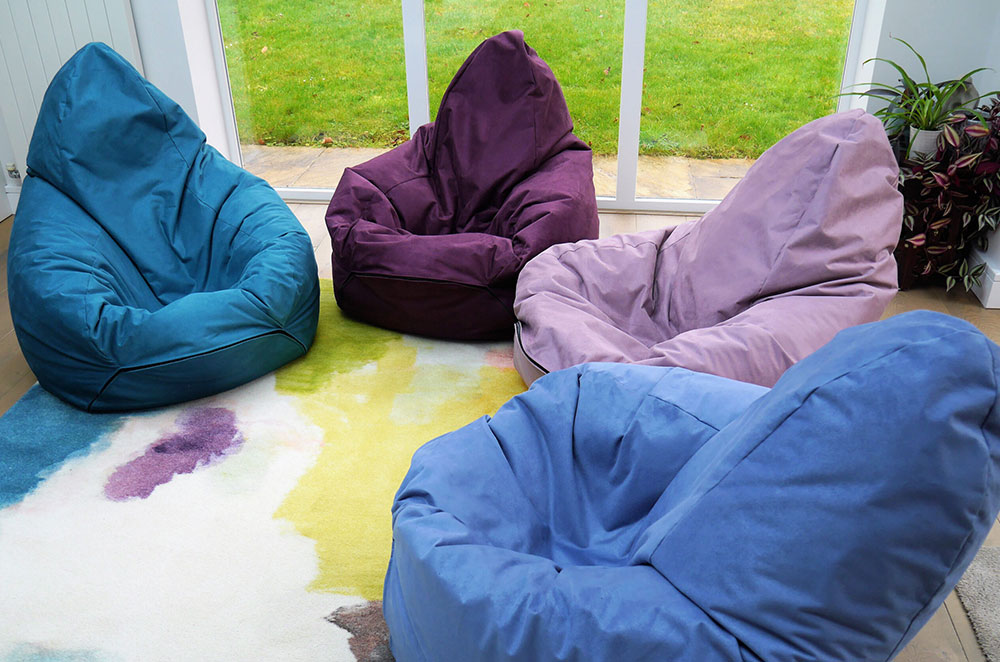
A calming and soothing environment is beneficial for neurodivergent employees. Using muted, natural tones and incorporating tactile elements can create a soothing workspace. Choose materials like wood and plants to bring elements of nature indoors. Use soft, natural tones such as greens, blues, and earthy hues – these colours can help reduce visual stress and create a more serene atmosphere.
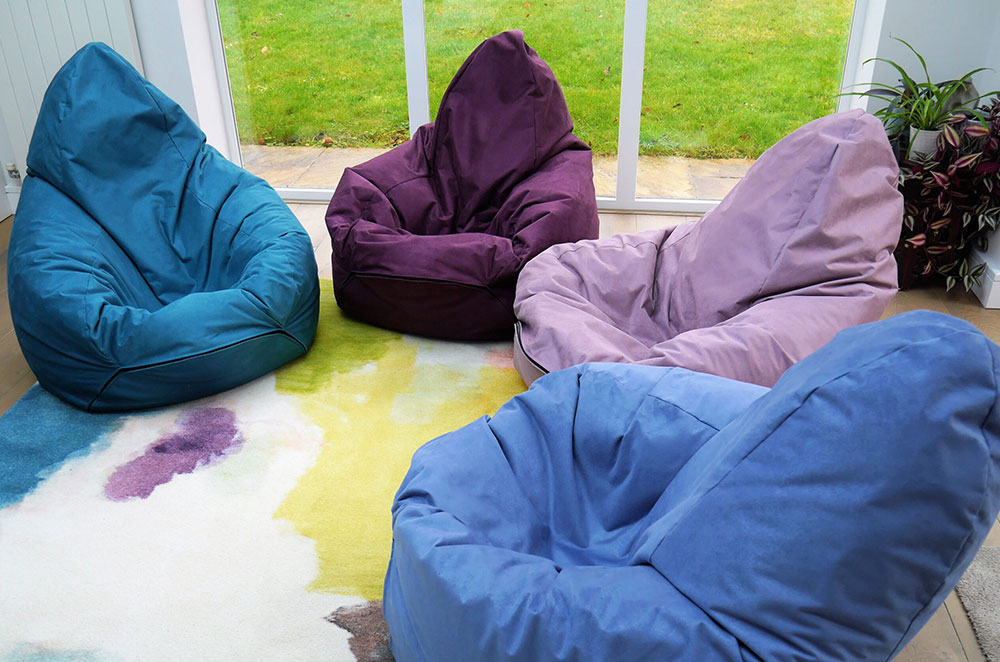
Informal seating options like the Beanbag 2.0 in Panaz Highland Fabric can provide a comfortable and relaxed alternative for neurodivergent employees who may find traditional seating uncomfortable or overstimulating, allowing them to find a position that suits their sensory needs.

5. A Structured Layout
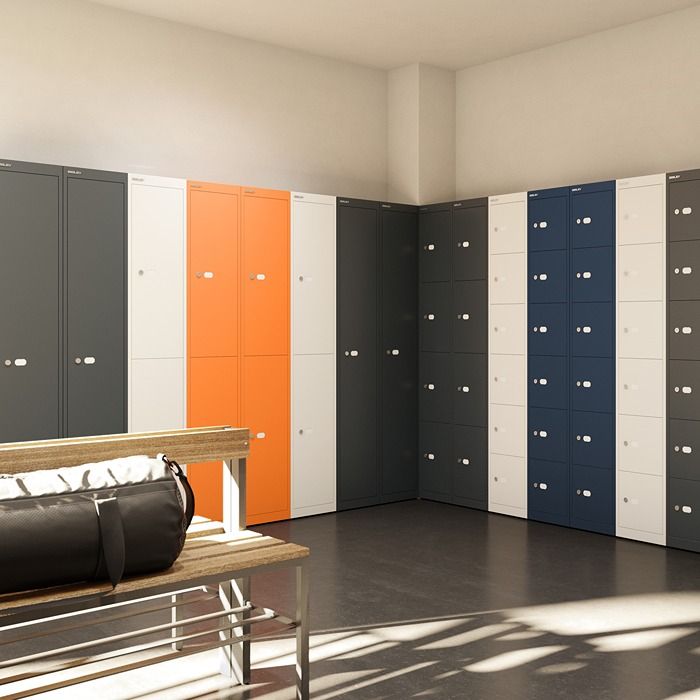
A well-structured layout is vital for supporting neurodivergent employees. Clear navigation and zoning within the office can reduce anxiety and help individuals feel more comfortable and secure. Implementing wayfinding strategies, such as clear signage and distinct zones, can help employees navigate the workspace with ease.
If space allows, secure personal storage solutions such as the Bisley 1 Door Column Lockers can provide a sense of control and organisation for neurodivergent employees, helping them to manage their belongings and reduce stress associated with cluttered or shared workspaces.
The Wagstaff Way
Our award-winning design team excels in creating inclusive environments tailored to the unique needs of every client. Our holistic approach incorporates detailed analysis, innovative solutions, and a commitment to excellence, making every workspace a place where people of all neurotypes can thrive.
Supporting Neurodivergence at Work with Inclusive Office Design
By addressing sensory sensitivities and providing structured, adaptable spaces – with the help of Wagstaff’s varied range of ergonomic furniture solutions – employers can drastically improve the overall well-being and productivity of their workforce, demonstrating a commitment to inclusivity and diversity.